
What does it mean to belong, when there's no space made for you?
“The task is to become native to this place… not just to live on the land, but with it.”
— Wes Jackson, Becoming Native to This Place
In small towns and villages across rural Scotland, the same question is asked at many a council meeting and community development webinar. If you have ever been to a “future visioning” workshop, you’ll have heard it there too.
“How can we get young people to stay?”
But maybe we’re asking ourselves the wrong question. Or at least, asking it without the honesty that’s needed to unlock the answer.
Because, let’s be honest, why should they stay?
In so many of these places — shaped, as all places are, by the expectations of the dominant demographic — there is something quietly ‘settled’ in the air. A beautiful but undisrupted culture, designed around those whose lives have already found a rhythm: coffee mornings, ceilidhs, school runs, a sprinkle of ‘it’s aye been’. Life is safe, pleasant — and ever so slightly passive.
But if you’re 18, or 24, or 31 and single — curious, ambitious, queer, politically alive, creative, or different — what is there for you here?
Often not much.
Limited ‘in real life’ networks. Sparse nightlife. Few jobs that aren’t tied to tourism or care. Not much in the way of serendipity. It’s not hostility that drives young people away. It’s a kind of quiet suffocation.
And yet the communities themselves are baffled. “We need to keep our young people!” becomes the mantra — without real introspection about why they’re leaving, or what kind of space is (not) being made for them to return to.
The Mythical Virtue of Staying
We need to be honest with ourselves, many young people need to leave. To explore. To mess up and fall in love and live in a scruffy rented flat in Glasgow (other cities are available) or a vibrant sharehouse in Berlin. To play with becoming someone else, at least for a while.
And when the native returns – if they return —they bring something new with them. Different ideas yes, but different ways of being too. Different definitions of community, art, intimacy, protest.
But when they come back home, what are they coming back to?
Often what they find is that the shape of rural life hasn’t changed at all in their absence. It’s as if the community stayed paused in its default settings, waiting for the prodigals to return and slot right back into place.
But they’ve changed.

Becoming Native, Again
In Becoming Native to This Place, Wes Jackson talks about learning to live with the land, not just on it. That to truly belong somewhere means adapting, integrating, evolving — not dominating.
The same is true for community.
Surely, if we want to re-root young people in rural Scotland, it can’t just be about logistics (a flat to rent, a job at the Council). It has to be about culture. About allowing the social and emotional infrastructure of a place to stretch and reshape itself to include new ideas, new kinds of relationships, new kinds of futures.
Can we carve out spaces for climate organising or queer film nights? Yes we can – and have. Can techno gigs or trans rights fundraisers coexist alongside coffee mornings? Of course! Can someone tattooed and different walk into a community council meeting and not feel like an outsider? Why not?
To be “native” to a place doesn’t mean returning to the old ways. It means co-creating a future with the people who are there — across generations, across difference, with mutual care, with understanding, with curiosity.
Rewilding the Village
Truth is, young people don’t need to be retained.
They need to be invited back differently.
Not just as workers or service providers for the elderly and definitely not as the children they once were. But as Leaders. Creators. Catalysts. Co-conspirators in shaping what these places could become. And spoiler: what they could become is awesome.
Sure, it might be a bit chaotic at first. It might mean giving up a little comfort, a little control. But it’s a powerful way for rural life to regenerate — not as a museum, but as a living, evolving ecosystem.
Because if we keep asking how to get young people to stay without offering them anything real, we’ll keep getting the same response:
They won’t.
Generation Regeneration
This isn’t about dismissing what’s already here. I love the rural area we settled in and the ways that community is forged. Coffee mornings matter. Folk nights are fantastic. They’re the social glue that has kept these places alive through storms, depopulation, and austerity. But the real question is: what else can live alongside them?
Young people today aren’t just looking for jobs. They’re looking for meaningful work that matters. And rural Scotland is bursting with opportunities to offer it—if we reframe the narrative.
- Sustainability and Rewilding: Projects like Cairngorms Connect, Langholm Moor, or Trees for Life show how rewilding isn’t just ecological—it’s cultural and personal. It sparks eco-tourism, research jobs, biodiversity mapping, and new kinds of stewardship. Could every Highland glen be both carbon sink and youth opportunity?
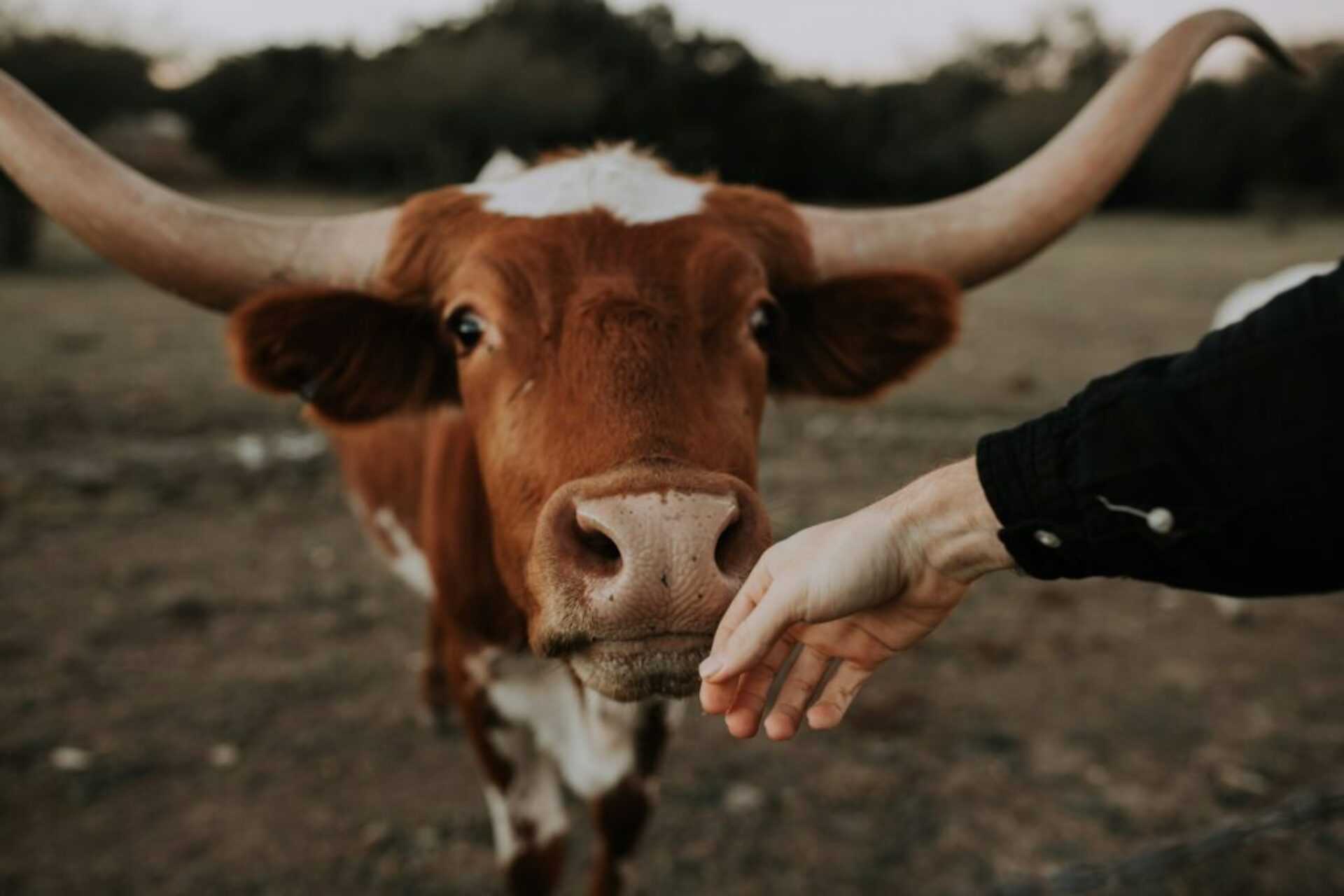
- Regenerative Agriculture: From no-dig farming to seed saving to micro dairies and community-supported agriculture, the land is ripe for new hands. Many young people want to farm—but can’t access land, training, or secure housing. If we can free up our minds and our planning policy to change that equation, we’ll change the story.
- Activism and Placemaking: Young rural Scots are increasingly active in climate justice, anti-poverty work, neurodivergent inclusion, feminist organising, and more. How can we reframe community structures to support that energy, so it becomes a rural asset, not just an urban import?
- Cultural Regeneration: Imagine residencies where young artists, musicians, and storytellers don’t just entertain—they help reimagine what rural life could be. Not “preserving” culture in aspic—but growing it like it’s alive.
There are lots of great examples of these across Scotland, but we need more!
Not Either/Or—But Also/And
We don’t need to choose between folk nights and queer poetry slams. Between scones and sourdough activism. Between belonging to a place and changing it.
What we need is to open the circle a little wider.
So when we ask, “How can we get young people to stay?” maybe the better question is:
How can we make room for them to lead?