
A Different Vision of Security
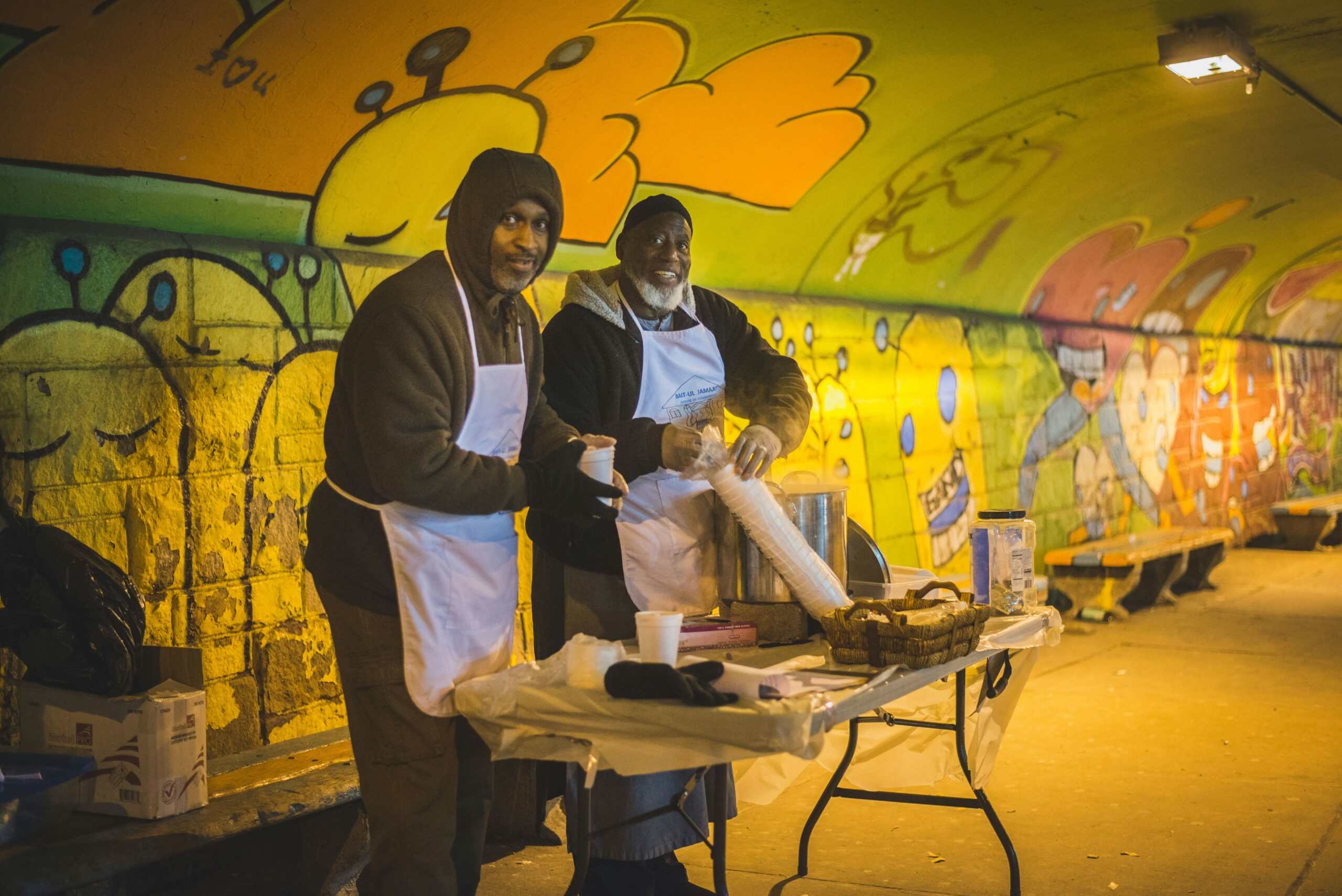
In many Indigenous traditions around the world, there’s a deep understanding that security is never an individual pursuit. One beautiful expression of this is the idea that “my security lies in the belly of my brother.” Though the exact phrasing may shift across cultures, the essence remains: we are only as safe as the most vulnerable among us. It is not walls, weapons, or wealth that keep us secure, but the simple, powerful act of making sure our neighbour is fed, our brother is held, our community is intact.
The Dominant Narrative: Security as Control
This kind of relational security feels far removed from the prevailing political mood, where safety is sold to us through militarisation, surveillance, and isolationist policy. Leaders stand before flags and speak of “national security” while funding conflict, tightening borders, and staking claims to land and resource. But we must ask—whose safety is this really about? And what does it cost?

All around us, governments justify their actions with the language of protection, even as those actions fuel displacement, grief, and instability. From Gaza to Ukraine, from Sudan to the South China Sea, wars are too often fought not in defence of people but in pursuit of power, profit, and control.
Power Over: The Legacy of Patriarchy and Colonialism
Modern systems have normalised the idea that dominance equals safety. That to be strong, one must keep others small. This mindset—of “power over”—runs deep in the histories of patriarchy and colonialism. It has shaped global politics for centuries, offering conquest in the name of civilisation, control in the name of order. But it has not brought peace. It has not brought wholeness. And perhaps now, more than ever, it is time to lay it down.
Because there is another way. One that begins not with fear, but with care. Not with extraction, but with reciprocity. One that listens to the wisdom many Indigenous communities have always known: that none of us are safe until all of us are.
The Scarcity Illusion
To move in this direction, we also need to name the scarcity mindset for what it is—a powerful narrative tool. When we are taught that there is not enough to go around, we become more anxious, more divided, more susceptible to promises of protection that come at the cost of others’ freedom. Scarcity drives consumerism and nationalism alike. It convinces us to hoard, to harden, to see neighbours as threats. And yet, most scarcity is not natural. It is constructed. There is enough food, enough energy, enough kindness. The challenge is not lack, but the unequal systems that channel plenty into the hands of a few.
Interdependence: The Foundation of True Safety
This isn’t wishful thinking. It is a grounded, pragmatic recognition of our interdependence. The crises we face—ecological collapse, mass displacement, violent extremism—do not arise from generosity or abundance. They are born of disconnection. They flourish where systems prioritise profit over people, borders over belonging.
Imagining a New Paradigm
So what might it look like to reimagine security from the ground up? What if we measured strength not by the size of our armies but by the health of our relationships? What if we invested in peace as earnestly as we do in power? What if we nourished the world not with force, but with food, with friendship, with fairness?
Our Practice at Make/Change
At the core of our philosophy is a concept we call shared sufficiency—the idea that there is enough, if we share it well. It is a gentle but radical stance against the myth of scarcity. Shared sufficiency is not about individual abundance, but collective wellbeing. It invites us to look beyond accumulation and into relationship, to trust that meeting each other’s needs with care and fairness is not only possible, but powerful. In a world shaped by extraction and excess, shared sufficiency offers a pathway back to balance.
Shared sufficiency shapes not only our values but also how we work every day. It’s visible in the way we organise, prioritise local relationships, and focus on enough—rather than more. We aim to model systems of mutual support that meet needs without overreaching or overproducing, whether it’s through community meals, resource-sharing projects, or collaborative learning spaces. It’s not just a principle, but a practice—one that reminds us to slow down, stay grounded, and nurture the abundance that already exists all around us.
At Make/Change, this is the heart of our work. We choose a different logic—one rooted in kindness, in shared joy, and in the practical optimism that says a better world is possible and already unfolding. We draw inspiration from the original meaning of oikonomia—the stewardship of the home, expanded to embrace our collective dwelling place. We lean on the three ethics of permaculture: Earth Care, People Care, and Fair Share. These remind us that sustainability begins close to home—in the soil beneath our feet, in the stories we tell, in the systems we build together.
A Shared Path Forward
We don’t claim to have all the answers. But we trust that the path to real security is not paved with fear or fortified with fences. It is stitched together, moment by moment, in meals shared, in resources redistributed, in acts of solidarity and care. This is the work of peace. And it belongs to all of us.